
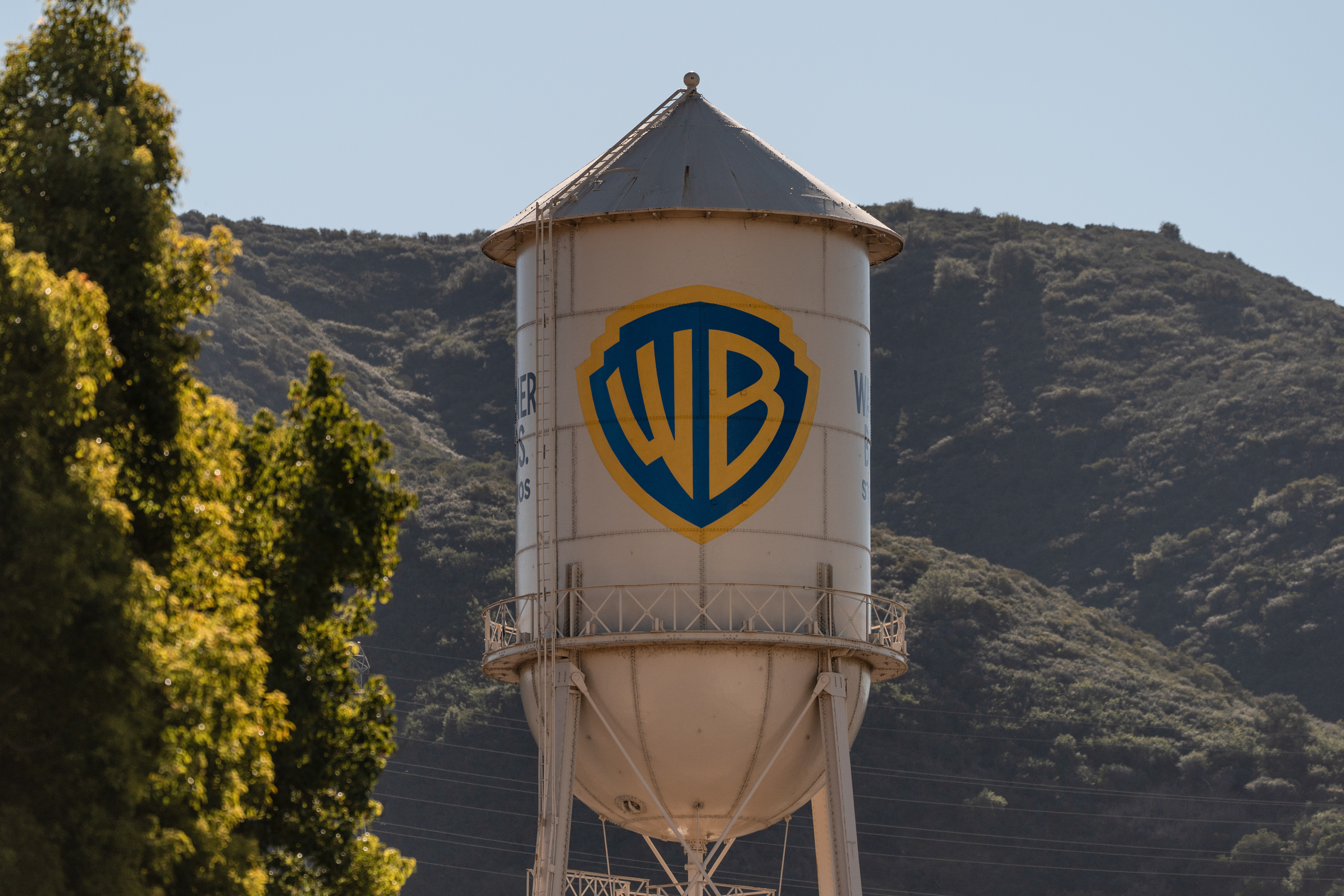
A high-stakes clash is taking shape across the global media landscape, as Paramount intensifies its push to derail Warner Bros. Discovery’s proposed sale to Netflix. Fresh financial sweeteners and strategic assurances highlight how fiercely the fate of one of Hollywood’s most influential content libraries is being contested.
Paramount has once again intensified its pressure in its hostile chase of Warner Bros. Discovery, rolling out new financial commitments aimed at winning over shareholders as time runs down on a potential landmark deal with Netflix. This latest step highlights both the scale of Paramount’s ambitions and the increasingly forceful tactics driving consolidation across the entertainment industry.
According to a new regulatory filing, Paramount, led by David Ellison, has offered to compensate Warner Bros. Discovery shareholders with quarterly payments if the company’s agreement with Netflix fails to close on schedule. Beginning in 2027, shareholders would receive roughly $650 million for each quarter of delay, a structure intended to reduce uncertainty and offset the risks associated with a prolonged regulatory or contractual process.
In a renewed bid to solidify its standing, Paramount has agreed to shoulder the hefty termination fee that Warner Bros. Discovery would be required to pay Netflix if their current agreement were dissolved, a sum of $2.8 billion that ranks among the most notable breakup payments in recent media memory, and by committing to cover it entirely and promptly, Paramount underscores both its financial resolve and its readiness to accept immediate expenses in pursuit of longer-term strategic advantages.
An offer crafted to challenge a rival proposal made entirely in cash
The timing of Paramount’s latest proposal is critical. Warner Bros. Discovery is moving steadily toward finalizing an $83 billion transaction that would transfer its film studios and streaming operations to Netflix. The streaming giant recently strengthened its position by converting its offer into an all-cash deal, a move widely interpreted as an effort to remove financing uncertainty and streamline regulatory review.
Under the Netflix agreement, Warner Bros. Discovery’s traditional cable networks, including CNN, would be separated into a new standalone entity tentatively named Discovery Global. This restructuring has been presented as a way to allow Netflix to focus on premium content and streaming assets, while legacy cable operations face a different growth trajectory.
Paramount’s bid, by contrast, encompasses the entire Warner Bros. Discovery business, including CNN. While Paramount did not raise its headline offer of $30 per share in cash, the company framed its new concessions as enhancements that deliver additional value without altering the base price. David Ellison described the revised terms as offering shareholders greater certainty, reduced exposure to market volatility, and what he characterized as a clearer path through regulatory scrutiny.
The market’s response remained subdued yet clear, as Warner Bros. Discovery shares inched upward after the announcement, hinting that the updated proposal sparked some investor curiosity. Nonetheless, the slight uptick highlighted lingering doubts about whether Paramount’s effort can significantly influence shareholder sentiment at this late point.
Shareholder resistance and the limits of persuasion
Despite Paramount’s growing commitments, Warner Bros. Discovery has consistently asserted that its shareholders remain strongly against the hostile offer, noting that over 93% of its investors are turning down Paramount’s proposal and characterizing it as less favorable than the Netflix deal in both value and strategic direction.
This resistance highlights the challenge Paramount faces in reframing the narrative. While financial sweeteners can reduce certain risks, they do not automatically outweigh the appeal of a clean, all-cash transaction with a dominant player like Netflix. For many shareholders, simplicity, speed, and perceived certainty may matter as much as headline value.
A special shareholder meeting is expected to take place in late March or early April, setting a near-term deadline for Paramount to change minds. As that date approaches, both sides are intensifying their messaging, aware that investor perception could determine the outcome.
The dynamics also reflect broader shifts in how shareholders evaluate media mergers. In an environment marked by volatile markets and rapid technological change, investors are increasingly cautious about complex integrations and long-term synergy promises. Paramount’s offer, while richer in protective clauses, still requires shareholders to accept a more confrontational and uncertain path.
Netflix pushes back in the public arena
As Paramount intensifies its offer, Netflix has chosen not to stay on the sidelines, amplifying its public relations push and openly disputing the premises and consequences of Paramount’s plan. During a recent television appearance, Clete Willems, Netflix’s chief global affairs officer, expressed doubts regarding the extent of the cost reductions Paramount claims it can achieve.
Willems highlighted Paramount’s projection of $6 billion in possible synergies, noting that such phrasing frequently acts as a substitute for anticipating substantial job losses, and by presenting the matter around employment and operational upheaval, Netflix is positioning its argument to resonate not only with regulators and policymakers but also with a wider public concerned about effects on the workforce.
This line of argument also implicitly contrasts Netflix’s approach with Paramount’s. Netflix has positioned itself as a growth-oriented buyer focused on expanding its content ecosystem, while portraying Paramount’s bid as one that could rely heavily on consolidation-driven cuts to achieve its financial targets.
Willems also addressed reports of a potential Department of Justice review into Netflix’s business practices, emphasizing that such scrutiny is routine in large transactions. By normalizing regulatory review, Netflix aims to reassure investors that its deal with Warner Bros. Discovery is not uniquely vulnerable to antitrust obstacles.
Regulatory factors and strategic market positioning
Regulatory oversight weighs heavily on both possible outcomes, as any deal between companies of this magnitude is bound to draw scrutiny from competition authorities, especially amid ongoing worries about consolidation across streaming, content creation, and distribution.
Paramount maintains that its proposal provides a more straightforward route through regulatory review, although the specifics of that assertion continue to be contested. A merger between Paramount and Warner Bros. Discovery would yield a powerful media giant spanning broad film, television, and news portfolios. Despite the potential for antitrust scrutiny, Paramount seems to contend that the merged company’s diversified operations could ease regulatory worries compared with deeper consolidation within the streaming landscape.
Netflix, on the other hand, faces scrutiny as the world’s largest streaming platform. Acquiring Warner Bros. Discovery’s studios and streaming assets would significantly expand its content library and influence, potentially prompting regulators to examine the deal’s impact on competition, pricing, and consumer choice.
The differing regulatory landscapes introduce an added level of complexity for shareholders as they evaluate their choices, with each route presenting its own type and timing of risk. Paramount’s proposal brings the unpredictability of a hostile takeover and potential legal disputes, whereas Netflix’s offer depends on securing regulatory clearance for a major expansion.
The broader context of media consolidation
This battle cannot be viewed in isolation. It reflects a broader wave of consolidation reshaping the media and entertainment landscape as traditional studios and broadcasters adapt to the dominance of streaming platforms. Scale has become a critical factor, driving companies to seek mergers that can spread content costs, expand global reach, and compete for subscriber attention.
Paramount’s determined push to acquire Warner Bros. Discovery highlights the mounting strategic pressure confronting traditional media companies, where shifting streaming dynamics and strained advertising income make the purchase of complementary assets seem increasingly appealing compared with relying solely on internal expansion.
Netflix, meanwhile, reflects a different approach to consolidation, choosing not to merge with a peer but to acquire targeted assets that bolster its core streaming strategy; by concentrating on Warner Bros. Discovery’s studios and streaming units, Netflix aims to broaden its content pipeline while stepping away from operations that do not fit its long-term vision.
For investors, the outcome of this contest will signal how consolidation is likely to proceed in the coming years. A victory for Paramount would suggest that traditional media companies can still shape the industry’s future through bold acquisitions. A successful Netflix deal would reinforce the notion that streaming-first players hold the upper hand.
Market reaction and investor calculation
The slight rise in Warner Bros. Discovery’s stock price after Paramount’s announcement signals restrained optimism rather than full support, as investors seem to balance Paramount’s added safeguards against the more predictable nature of Netflix’s all-cash proposal.
Quarterly compensation for delayed closure and coverage of termination fees address specific financial risks, but they do not eliminate broader concerns about execution, integration, and strategic direction. Shareholders must consider not only immediate payouts but also the long-term value of their investment under each scenario.
The fact that Paramount did not raise its per-share offer may also limit its appeal. While enhancements can improve perceived value, some investors may view a higher headline price as a clearer signal of commitment and confidence.
A rapidly intensifying competition under tight time constraints
As the upcoming shareholder meeting draws near, both Paramount and Netflix are poised to ramp up their campaigns, with Paramount potentially polishing its proposal further or amplifying its narrative around stability and sustained value, while Netflix is expected to highlight the benefits of its simplified deal structure and its strategy focused on long-term expansion.
The situation underscores that mergers of this scale now unfold not just within corporate meeting rooms or regulatory halls, but equally in the arena of public sentiment, where discussions about employment, competitive influence, and consumer effects increasingly shape how companies present their proposals.
Ultimately, the decision rests with Warner Bros. Discovery’s shareholders. Their choice will determine not only the company’s future but also the balance of power within the media industry at a pivotal moment.
Whether Paramount’s newest financial guarantees will actually derail a deal that seems nearly finalized remains unclear. What is certain is that the battle has moved into a pivotal stage, with billions of dollars, countless jobs, and the very future of global entertainment at stake.



.jpg "Buying a Property in Cap Cana")
