
It’s no secret that Panama’s real estate market continues to attract both local buyers and foreign investors thanks to its economic stability, urban growth, and competitive tax advantages. However, beyond the purchase price of a property, it is essential to understand the taxes that may arise when becoming a property owner in the country.
Gaining a clear grasp of what real estate taxes in Panama entail and the way they operate enables you to make better informed choices and effectively map out a long-term investment plan. Elements like property taxes, capital gains, and rental income form part of the key factors that any buyer should assess before acquiring a residence or an investment property.
Which tax factors shape the process of acquiring and owning properties in Panama?
The Panamanian tax framework provides advantageous conditions for real estate investments, granting various exemptions and incentives for specific property categories, and understanding these factors is essential for accurately assessing the expenses and potential returns involved in acquiring a property.
How property taxes operate
The main tax related to real estate in Panama is the property tax. This annual tax is calculated based on the property’s registered assessed value and applies only to the amount exceeding the exemption thresholds established by current legislation.
Properties used as primary residences can receive partial exemptions or reduced taxes based on their recorded value. Moreover, newly built homes in specific residential developments might be eligible for set periods of tax relief, offering a notable benefit to both purchasers and investors. Such incentives are designed to encourage real estate growth and broaden access to housing in well‑planned, contemporary communities.
Capital Gains Resulting from Property Sales
When a property owner chooses to sell and ends up making a profit, capital gains tax may be charged, as this levy applies to the positive gap between what was originally paid for the property and the amount received from its sale.
In Panama, the regular tax rate stands at 10% of the profit earned, yet this charge applies solely at the moment of sale and leaves untouched the period during which the property is owned as a residence or investment asset, and for individuals purchasing real estate with the goal of appreciation and eventual resale, a clear grasp of this tax becomes essential.
Regulations on Taxation for Rental Properties
In situations where a property produces revenue from rentals, that revenue can be liable for income tax because it is treated as income generated within Panamanian territory.
These considerations are particularly relevant for properties purchased as investments or intended for either short- or long-term rentals, while homes occupied solely as a primary residence do not incur this additional tax burden. For this reason, clearly establishing from the beginning whether the property serves as a residence or an investment becomes essential, as doing so supports more effective financial and tax planning.
Are there other costs associated with real estate ownership?
In addition to taxes, there are other expenses that homeowners in Panama must consider. These include maintenance fees in private residential complexes, utility bills, and municipal taxes, depending on the location and characteristics of the development.
In planned communities, these fees are typically allocated to the maintenance of common areas, security, landscaping, and shared amenities. Although they represent a recurring cost, they also help preserve the quality of the environment and enhance the property’s value in the long term.
Panama and Its Tax Appeal for Real Estate Investors
One of the factors strengthening Panama’s real estate market is its territorial tax system, which taxes only income generated within the country. This model, combined with the use of the U.S. dollar and financial stability, creates an environment of financial predictability and confidence for both domestic and international buyers.
Properties located in areas with sustained growth and close to Panama City stand out particularly for offering a balance between quality of life, connectivity, and appreciation potential. This makes the country a competitive alternative compared to other real estate markets in the region.
Properties in Panama West: A Real Estate Venture Offering Tax Advantages
Understanding property taxes in Panama is essential to properly evaluate a real estate investment and take advantage of available tax benefits. Factors such as property tax, exemptions for new homes, and the tax treatment of rentals or sales are part of a legal environment that continues to attract buyers and investors to the country.
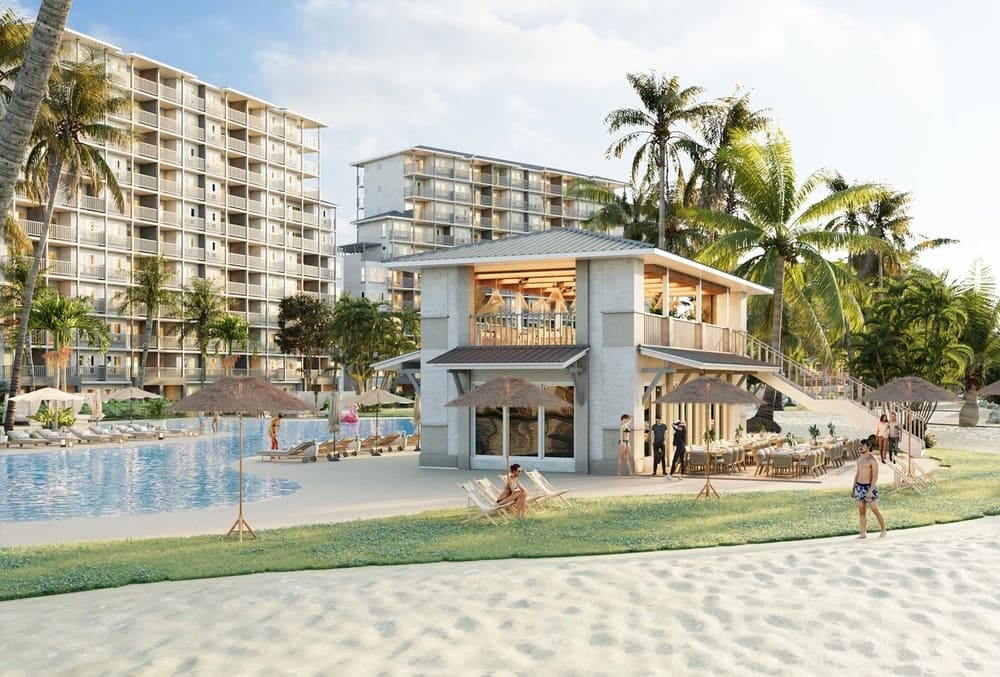
Thanks to these benefits, many residential projects located in areas such as Panama West have seen increased demand, as is the case with Bayside. These types of developments are attractive due to their combination of tax advantages, growth potential, and quality of life within modern, planned communities. Homes near the sea, just minutes from Panama City and complemented by modern amenities, represent attractive options for those seeking a property with potential for sustained appreciation and a residential environment focused on well-being and connectivity.



.jpg "Buying a Property in Cap Cana")
